
Start with the ordinary moment
In a small home, laundry can occupy a bathroom, hallway, and sofa at the same time. The problem is often the sequence rather than a shortage of baskets. Make the route from worn clothes to washing, drying, and storage clear. This guide is about organization; garment labels and appliance instructions remain the right source for care methods. A compact system succeeds when it supports ordinary loads you can finish.
Make the arrangement work before you shop
Choose one collection point that does not block access or trap damp items in an unsuitable container. Sort according to garment instructions and the loads you actually run rather than buying multiple bins for theoretical categories. Plan where clothes will dry before starting a load. Keep a landing area for folding and return finished pieces to their storage promptly. If machines are shared or outside the home, group the supplies you need for that trip and keep the load light enough to carry safely.
Choose by the job, not the complete set
Laundry planning starts with the finish, not just the collection basket. Before beginning a load, know where it will dry and when it can return to storage. A smaller finished load is often more manageable than a large load that occupies the home for days. Follow garment and appliance instructions throughout; the organizational routine should work around those requirements rather than replace them.
Compare purchases by the interrupted stage. A basket helps collection and transport. A suitable drying option helps only when drying is the recurring constraint. A drawer divider may help the final putting-away stage, but does nothing for a crowded drying area. Buying every stage at once can hide which change was genuinely needed. Start with the bottleneck and leave the rest of the system as simple as possible.
For a household that carries laundry outside the apartment, handles, route, and loaded weight become important. For one with machines at home, the distance may be short but the drying footprint still matters. Measure racks both open and folded, and check the path they take between storage and use. A large stated capacity is less useful when the rack cannot fit where it needs to stand.
Keep supplies identifiable and appropriately stored. A practical laundry shelf can retain original labels and directions while still looking orderly. Plan where empty containers and worn-out accessories go responsibly. The routine is complete when the clothes are back in their usable places and the working area is ready for the next ordinary load.
Measurements and details to check
Measure both the collection spot and the narrowest route to the machine or drying area. A basket that fits a corner may still be awkward on stairs. Check whether a drying rack can open fully without blocking a doorway. Consider how it folds away, and leave access required by the appliance manufacturer.
Shopping paths and their tradeoffs
The retailer links below are starting points for comparing appropriate options, rather than a claim that every item in a collection will fit. These are editorial suggestions based on the intended use and the retailers' published categories. We have not performed hands-on product tests for this guide. Stock, specifications, shipping, and prices can change; check the selected product's current information.
IKEA home range: Compare laundry baskets and drying options for the measured route. The tradeoff is straightforward: Capacity and folded size need checking separately. If that limitation conflicts with the routine described here, continue comparing rather than accepting it for the look.
MUJI storage organizers: Explore suitable storage for dry laundry accessories or folded items. Keep this limitation in mind: General storage is not automatically suitable for damp clothing. A retailer with several suitable-looking choices still needs to be narrowed by the way your household uses the space.
The Container Store organization range: Browse laundry organization after mapping the full process. Before committing, remember: A large sorting system can use more space than it saves. Browse with a short list of requirements so a useful purchase does not become an unplanned bundle.
Care belongs in the purchase decision
Read garment labels and appliance directions for washing and drying. Clean the basket or container according to its material instructions, and dry it when needed. Keep laundry products appropriately stored with their labels intact and away from children or pets. Avoid a decorative decanting arrangement that removes safety information or makes products hard to identify.
What not to overbuy
Do not buy a three-compartment sorter if you only have room for one practical load. An oversized basket may encourage laundry to accumulate beyond what the drying space can handle. Fancy labels and matching jars do not fix a missing folding routine. A drying rack must be suitable for its intended location, not merely attractive.
Try it in an ordinary week
Follow one load from start to finish and note where it waits. If the pause happens at drying, plan smaller loads or an appropriate drying solution. If clean clothing stays in a basket, make drawer access easier. Changing a container is helpful only when that container is the bottleneck rather than a stand-in for unfinished steps.
Questions worth answering first
Should every type of clothing have a separate basket? Sort by care requirements when needed; permanent bins are optional. Can a laundry basket live in the bedroom? Choose a practical, appropriate place for the contents and household routine. What should be upgraded first? The step that repeatedly prevents a load from reaching its final storage.
Options to consider
Use these retailer collections as starting points. Check the current product description, sizing, delivery and return terms before ordering; availability and prices can change.
Sources & further reading
Official information checked October 8, 2026. This guide presents research-based editorial advice, not a claim of hands-on product testing.
- IKEA home range — official retailer
- MUJI storage organizers — official retailer
- The Container Store organization range — official retailer
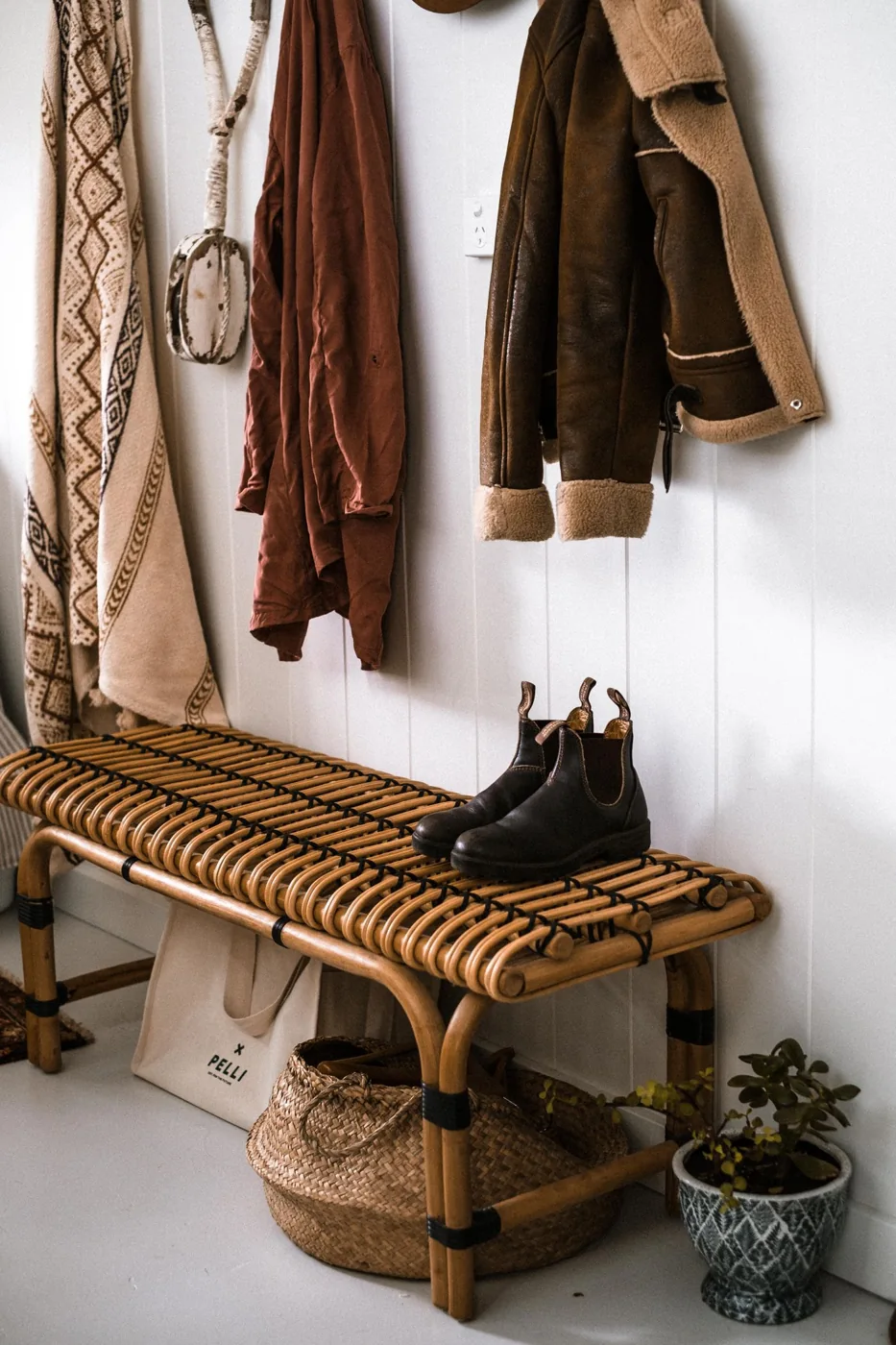
Illustrative stock photograph by Annushka Ahuja: photo source. This scene does not identify our author or establish a product test.