
Start with the ordinary moment
Open shelves sit between storage and display, which makes them easy to overfill. A real household shelf needs to hold objects that come down and go back up, not only a balanced arrangement for a picture. Start with what the shelf must store. Then leave enough room for hands to reach and books to be removed without moving a stack of decorative objects first.
Make the arrangement work before you shop
Group books by a system you understand and keep regularly used ones accessible. Place small loose items together only when the group has a useful purpose. Leave breathing space around the objects you handle most often. A few display pieces can give the shelf personality, but keep them separate from unstable stacks. Follow the furniture's instructions for installation, load limits, and any required wall anchoring. Heavy objects and breakable items need placement suitable for your household rather than a styling formula.
Choose by the job, not the complete set
An open shelf should let objects return to their places without a styling session. Keep regularly handled books and small items where hands can reach them. Leave a little space around those groups. A shelf that looks sparse may be easier to live with than a dense arrangement requiring several objects to move whenever you choose a book. Function can establish the visual rhythm.
Compare no container, a small open basket, and a closed box through visibility and contents. Books may need no container at all. A modest basket can gather a defined group of loose items. A closed box may suit things used less often, provided the material and storage conditions fit. Avoid a large miscellaneous container that conceals the problem you were trying to solve. Label only where identification genuinely helps.
Placement should follow the exact furniture requirements. Read installation and load instructions, including any anchoring guidance, and arrange heavy or breakable contents appropriately for the household. Do not add weight based on the shelf's appearance or balance objects on improvised supports. Decorative choices come after the furniture and placement are suitable for their purpose.
When a shelf becomes crowded, remove outdated categories before buying additional boxes. Ask whether the objects are still used, whether they belong elsewhere, and whether the container can be reached comfortably. If a specific loose group still needs a home, measure both the group and the shelf opening. The right basket is the one that can be removed and returned easily, not simply the one that matches the room.
Measurements and details to check
Measure shelf depth and height before ordering bins or baskets. Check that a container can be removed without catching on the shelf above. Include the handles in the measurements. Look at the exact shelf's load information and mounting instructions; visual sturdiness is not a substitute for the manufacturer's stated requirements.
Shopping paths and their tradeoffs
The retailer links below are starting points for comparing appropriate options, rather than a claim that every item in a collection will fit. These are editorial suggestions based on the intended use and the retailers' published categories. We have not performed hands-on product tests for this guide. Stock, specifications, shipping, and prices can change; check the selected product's current information.
MUJI storage organizers: Compare containers sized for a defined group of small objects. The tradeoff is straightforward: An opaque box can make everyday contents less visible. If that limitation conflicts with the routine described here, continue comparing rather than accepting it for the look.
The Container Store organization range: Browse a basket or bin after measuring the shelf opening. Keep this limitation in mind: Handles and rims may increase the usable footprint. A retailer with several suitable-looking choices still needs to be narrowed by the way your household uses the space.
IKEA home range: Explore shelf accessories that match the existing furniture requirements. Before committing, remember: Check installation and load instructions for any furniture change. Browse with a short list of requirements so a useful purchase does not become an unplanned bundle.
Care belongs in the purchase decision
Dust regularly enough that everyday items remain pleasant to handle. Remove objects before cleaning and use methods suited to the finish. Review the contents when a category begins to spill into the next shelf. A basket should be emptied occasionally so small forgotten objects do not quietly become a permanent hidden collection.
What not to overbuy
Avoid buying sets of decorative books or identical ornaments simply to fill gaps. Empty space can make a shelf easier to use. A large opaque basket may hide items you need to see. Do not place objects on improvised risers if stability is uncertain, and do not ignore anchoring guidance for the sake of a clean wall.
Try it in an ordinary week
Arrange the shelf for actual use and leave it alone for a week. Notice what you cannot reach comfortably, what gets left elsewhere, and which basket becomes miscellaneous storage. Move those pieces or reduce the categories. If you still need a container, buy for its measured contents and access requirements rather than for a matching row.
Questions worth answering first
Should every shelf be styled the same way? Consistent function is more useful than identical arrangements. Is a basket always the answer? It helps with loose items but can hide the things you want visible. How much empty space is appropriate? Leave enough room to remove and return what you use without disturbing everything beside it.
Options to consider
Use these retailer collections as starting points. Check the current product description, sizing, delivery and return terms before ordering; availability and prices can change.
Sources & further reading
Official information checked October 8, 2026. This guide presents research-based editorial advice, not a claim of hands-on product testing.
- MUJI storage organizers — official retailer
- The Container Store organization range — official retailer
- IKEA home range — official retailer
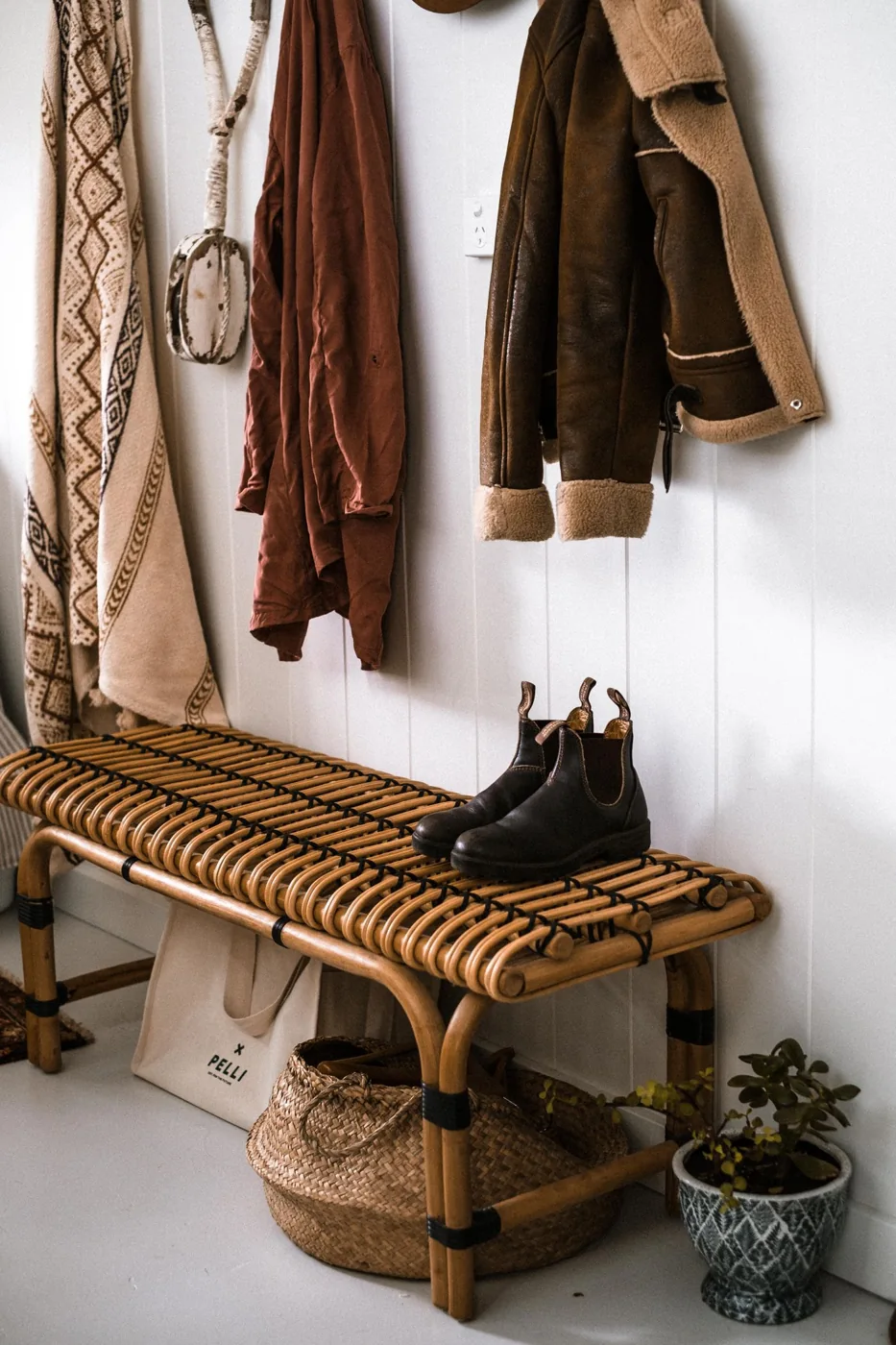
Illustrative stock photograph by Fatih Güney: photo source. This scene does not identify our author or establish a product test.