Let the weekend activity set the tone
Tailoring can feel comfortable outside the office when you remove the details that make it feel like a complete work uniform. A Saturday with a bookstore stop, coffee, and errands may suit relaxed trousers and a soft top rather than denim. The reason to try it is that you enjoy the shape, not that an ordinary weekend needs to look more expensive or formal.
Begin with a pair you own and ask whether it works for the activities ahead. Can you sit on a low chair, carry shopping, and walk the route comfortably? If the answer is yes, the trouser is already a useful weekend candidate. If it requires delicate care or cannot handle the day's weather, another existing pair may be better. Context matters more than whether the garment belongs to a category called tailoring.
Make one piece structured and the others easy
Try trousers with a simple cotton top and an open shirt. Or use a soft jacket over familiar jeans and a knit. One defined element can be enough. Combining a matching suit, formal shoes, and a crisp shirt may recreate a workday feeling you wanted to avoid. Changing the top or shoes can shift that mood without changing every item.
Check the jacket's construction. A soft shoulder and room through the body may feel easier than a fitted cut, but comfort still needs testing. Reach forward, lift your arms, and fasten it if you plan to wear it closed. A jacket that feels good only when left open might still have a role, but recognize the limitation. If the temperature requires a closed layer, choose one that allows you to move comfortably that way.
Give the trouser hem a practical job
Trousers set for a dress shoe can be too long with a flatter weekend pair. Put on the shoes first, then examine the hem from the side and while walking. The fabric should not trail across the pavement. A cuff can sometimes help you test the idea, but it may change the shape or add bulk. If an alteration seems useful, consider whether it would make the trousers less suitable for the other shoes you wear with them.
Pay attention to pockets and the waistband. Heavy items can distort a trouser's shape, and a waistband that feels comfortable for a short meeting may be less pleasant through an active afternoon. Keep keys and larger items in a bag if that improves movement. You do not need empty pockets for appearance alone; the point is to avoid a combination that pulls or restricts the garment while you go about your day.
Compare a purchase with the existing option
Everlane's official trouser collection offers different cuts and notes that many styles have more than one inseam option. Check the individual item rather than assuming every trouser has your desired length. UNIQLO's outerwear and blazers collection is another place to review softer layers. Use these collections for comparison after you have tested what is already in the wardrobe.
If your current trousers work, the missing piece may be a top with a more relaxed feel. If your tops work but every trouser drags with casual shoes, length is the issue. A new item should solve that specific problem. Read the fabric and care information, then decide whether you will genuinely maintain it. A weekend purchase that spends most weekends waiting for cleaning is less useful than one that fits your ordinary routine.
Keep the outfit personal
Choose an accessory you already enjoy: a simple necklace, familiar bag, or socks in a color that makes you smile. Relaxed tailoring does not require an expensive watch or a particular handbag. Keep the number of details manageable so the outfit remains easy to put on. If the look feels too formal, remove one element and try again before buying something to soften it.
Wear the combination for a normal outing and note how it works beyond the mirror. You may prefer a knit to a tucked shirt, or a shorter jacket to a longer one when carrying groceries. Those observations help you make the next outfit more useful. Tailoring earns a weekend place when it feels like another comfortable option, not a performance. Repeating a successful combination with small changes can be more satisfying than building an entirely separate wardrobe for two days of the week.
Try a version with no new pieces
Use the trousers from one familiar outfit, the top from another, and your usual weekend shoes. Then add or remove a layer. This small experiment can tell you whether you enjoy the idea before shopping for a separate relaxed-tailoring wardrobe. If the outfit feels too formal, changing the top may be enough; if it feels impractical, check the hem and footwear first.
Does the outfit need accessories to make sense? Only if you like them. A clear silhouette and comfortable fit can be complete on their own. Avoid adding a belt merely because a styled image uses one if it becomes restrictive when seated. The same applies to a bag that looks polished but carries your errands awkwardly. Keep each item because it serves the outfit or gives you pleasure, not because the formula appears to require it.
Options to consider
Use these retailer collections as starting points. Check the current product description, sizing, delivery and return terms before ordering; availability and prices can change.
Sources & further reading
Official information checked October 8, 2026. This guide presents research-based editorial advice, not a claim of hands-on product testing.
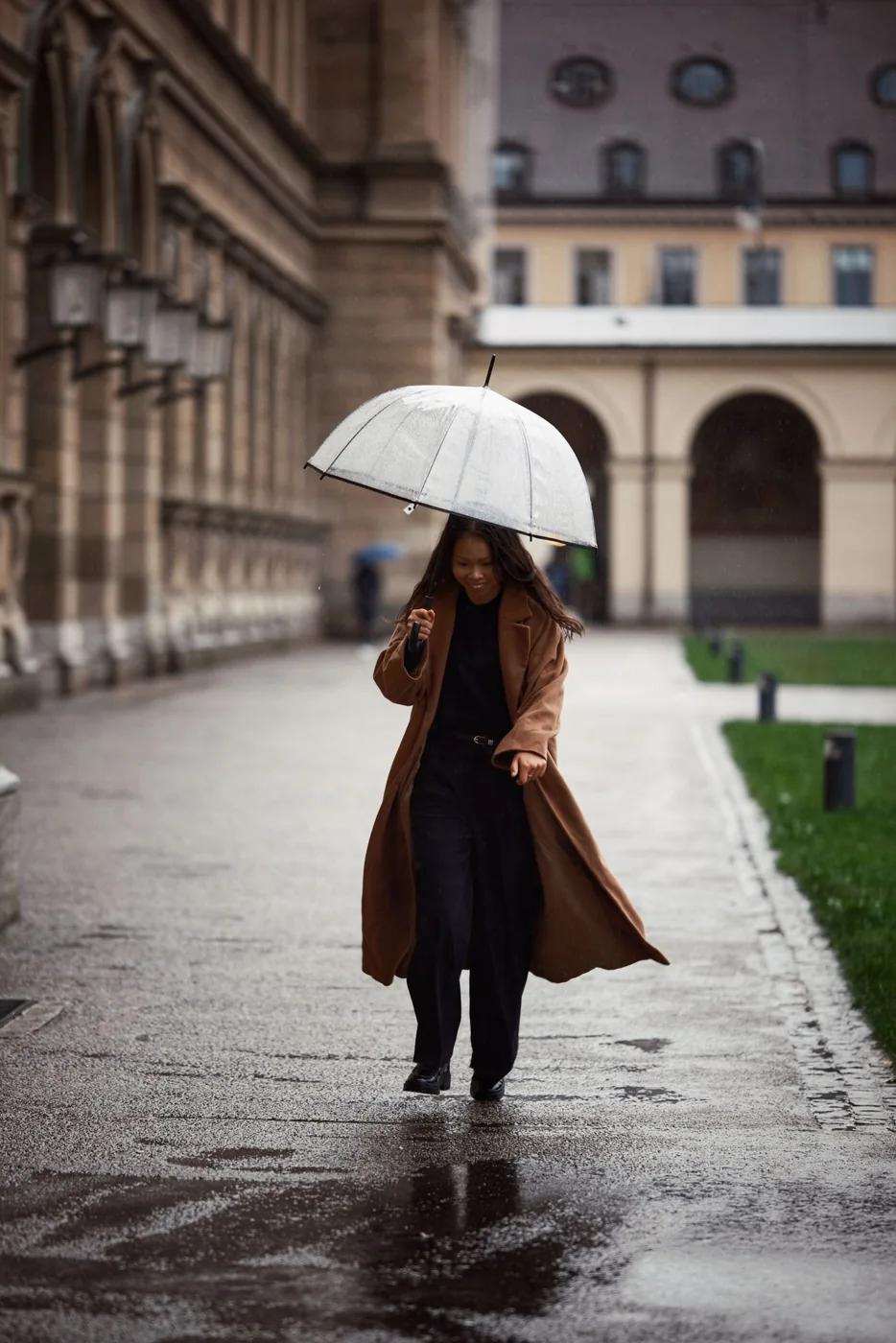
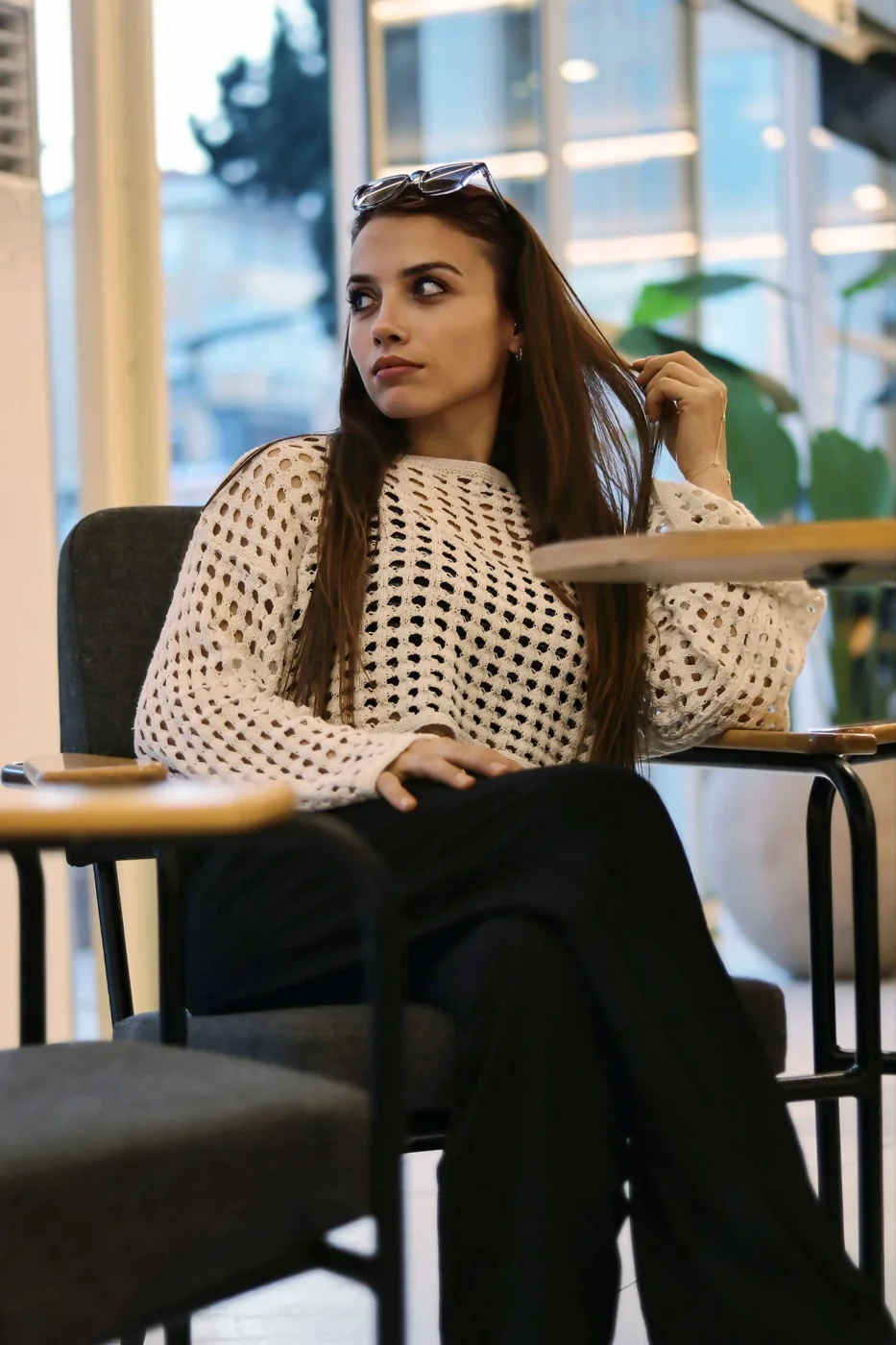
Illustrative stock photograph by Murat IŞIK: photo source. This scene does not identify our author or establish a product test.